Your Guide to Bethlehem PA Real Estate: Historic Homes and Modern Living
When people ask me what makes Bethlehem, Pennsylvania special, I usually tell them about the first time I walked down Main Street in the historic district. The old stone buildings and brick sidewalks feel like stepping into a postcard. But behind that charm is a real housing market with its own rhythms, opportunities, and quirks. If you are thinking about buying a home here, understanding the local market matters just as much as falling for the views.
Bethlehem PA real estate offers a mix that is hard to find in other mid-sized cities. You get century-old row homes with original woodwork, newer subdivisions on the city's edge, and everything in between. The city has a strong sense of identity shaped by its industrial past and its present as a hub for the arts and education. That identity affects what sells, what sits, and what prices look like from one neighborhood to the next.
Location and Character of the City
Bethlehem sits about 50 miles north of Philadelphia and 90 miles west of New York City. The Lehigh Valley, which includes Allentown and Easton, has seen steady population growth over the past decade. People move here for jobs in healthcare, education, logistics, and manufacturing. But they stay because the quality of life is real. The city has a walkable downtown, good schools, and a calendar full of festivals like Musikfest and Christkindlmarkt.
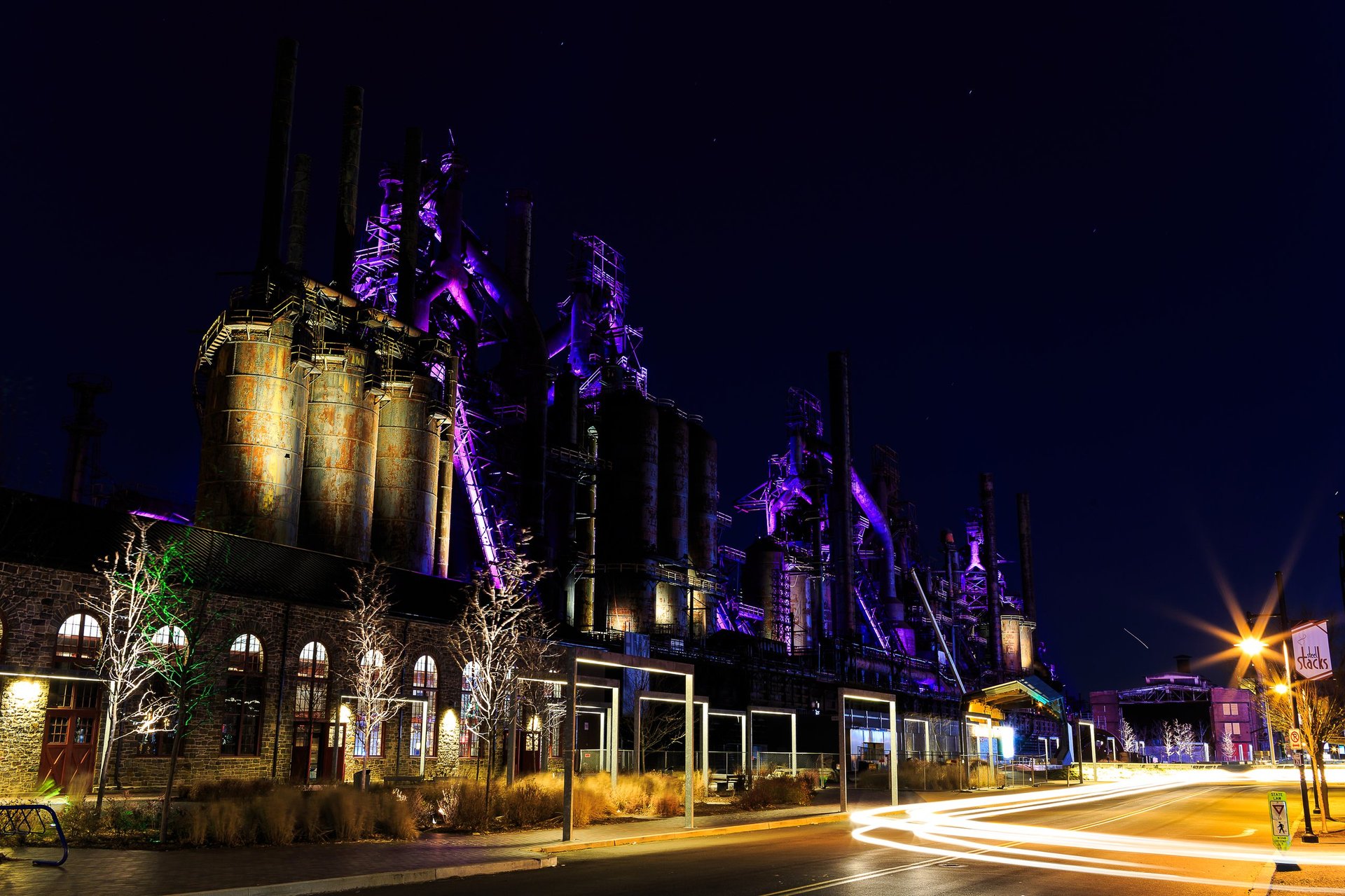
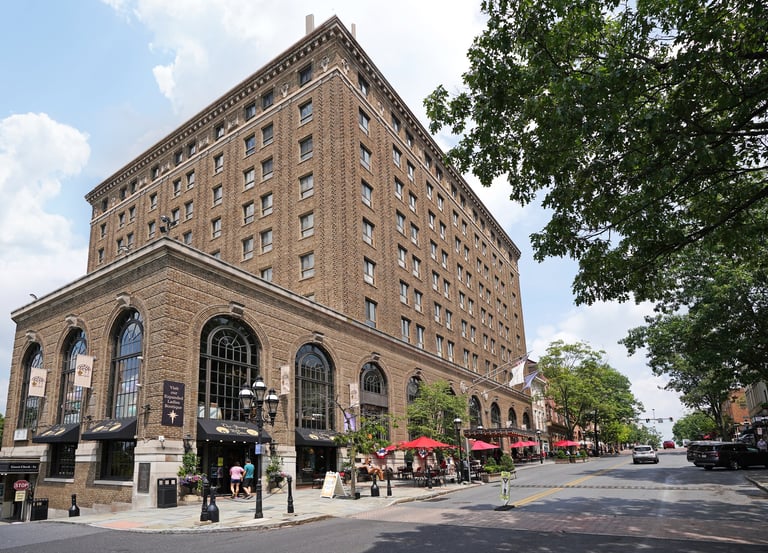
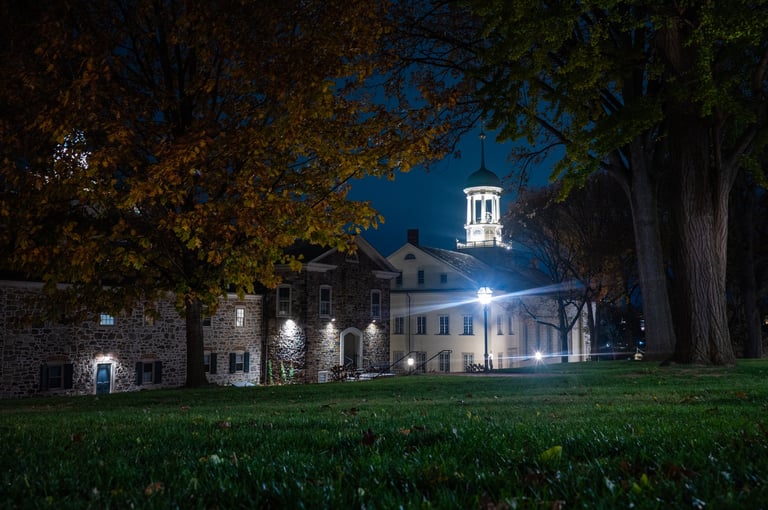
The historic district draws a lot of attention, and for good reason. Homes there often date to the 1700s and 1800s. They have thick stone walls, slate roofs, and character that modern construction cannot replicate. But those homes also come with maintenance challenges. Older plumbing, dated electrical systems, and the need for historical commission approvals on exterior changes are part of the deal. Buyers who appreciate old houses tend to love it here, but they need to budget for upkeep.
Neighborhoods Worth Knowing
Bethlehem is not a one-size-fits-all market. Different parts of the city serve different lifestyles and budgets. Here are a few areas I have seen work well for different kinds of buyers.
- The North Side: Historic row homes and small single-family houses near Main Street. Walkable to shops and restaurants. Prices vary widely depending on condition and exact block.
- The South Side: More industrial roots, but undergoing steady revitalization. Home to Lehigh University. Offers a mix of older homes and newer townhomes.
- West Bethlehem: Larger lots, mid-century ranches and colonials. Good schools. Popular with families. Prices can be higher per square foot than the historic core.
Each area has trade-offs. North Side buyers often compete for parking and deal with older systems. South Side buyers get a younger vibe but face more variability in property quality. West Bethlehem offers space and stability but fewer walkable destinations. The key is matching your priorities to the neighborhood.
Market Trends and What They Mean for Buyers
Over the past few years, Bethlehem PA real estate has seen a steady rise in median home prices. Inventory has been tight, especially for move-in-ready homes under $350,000. Multiple offers are common in popular neighborhoods. Sellers often receive offers within the first week of listing. That pace can be stressful for first-time buyers, but it also means that well-priced homes sell quickly and for close to asking price.
Interest rates have shifted the math for some buyers. Higher rates reduce purchasing power, which pushes some people toward smaller homes or fixer-uppers. But the underlying demand in Bethlehem remains strong because the city offers a combination of affordability relative to the Northeast corridor plus a quality of life that people value. I have seen buyers from New Jersey and New York relocate here specifically because they could buy a solid home for what would only get them a small condo back home.
One trend that stands out is the growing interest in mixed-use areas. Buyers want to live where they can walk to a coffee shop, a brewery, or a grocery store. That preference has kept demand high for properties within a mile or so of the downtown core. It has also encouraged more infill development, with new townhomes and apartments going up on formerly industrial lots.
What Sellers Should Know
Selling in Bethlehem right now has advantages, but it is not automatic. Homes that are priced right and staged well will generate attention. Those that sit on the market for more than 30 days often have a pricing issue or a condition problem that buyers notice. The best approach is to be realistic about your home's condition and to invest in small improvements that make a big difference, like fresh paint, landscaping, and updating light fixtures.
I have seen sellers hold out for top dollar and miss the peak of buyer interest. A home that goes under contract in the first two weeks usually sells for a premium over a home that lingers for two months. The market rewards decisiveness and preparation. Work with an agent who knows the local streets and can price your home based on recent comparable sales, not just national data.
Practical Advice for Buyers
If you are looking at Bethlehem PA real estate, get pre-approved before you start touring. In a fast-moving market, sellers favor buyers who can close quickly. You also need to be ready to move when you see the right property. That does not mean rush into a bad decision, but it does mean having your finances in order and knowing what you will and will not compromise on.
Think about your commute. Bethlehem has decent highway access via I-78 and Route 22, but traffic can get heavy during peak hours. If you work in Allentown or on the New Jersey side, factor in that extra drive time. Proximity to the Lehigh Valley International Airport is a plus for frequent travelers.
Consider the long-term costs. An older home may have lower property taxes but higher heating bills and insurance premiums. A newer home may cost more upfront but require less maintenance in the first decade. Each choice has a trade-off. The best decision comes from understanding your own tolerance for risk and renovation.
The Role of Local Knowledge
One of the biggest mistakes I see is people treating a home search like a checklist without understanding the neighborhood's character. Bethlehem has micro-neighborhoods where one block feels completely different from the next. A home on a quiet cul-de-sac might be two blocks from a busy truck route. A street that looks charming in photos might have limited parking or a steep driveway that is treacherous in winter.
Spend time walking around the area at different times of day. Talk to people who live there. Visit the local grocery store and the park. These small things tell you more about daily life than any listing description ever will. If you are working with a local agent, ask them about the history of the neighborhood and what the typical buyer looks like. That context helps you see beyond the curb appeal.
Final Thoughts
Bethlehem is not a market for people who want instant gratification without effort. But for those who take the time to understand its neighborhoods, its history, and its rhythms, it offers a home that is hard to match. The combination of historic character, cultural energy, and a real sense of community is rare. Whether you are buying your first home or your fifth, the key is to approach the process with curiosity and patience.
If you are serious about making a move here, start by learning the lay of the land. Look at listings from the past six months to see what sold and for how much. Drive the streets you are considering. And when you find a place that feels right, move with confidence. The market will challenge you, but it will also reward you if you do your homework.